












Beyond the Amenity Kit: Designing Sustainable Packaging for the Modern Travel and Hospitality Industry
 Aqib Blog · December 1, 2025

Beyond the Amenity Kit: Designing Sustainable Packaging for the Modern Travel and Hospitality Industry
Packaging in the travel and hospitality industry used to be an afterthought. Hotels wrapped their amenities in whatever was convenient, and airlines handed out snacks in basic containers without much consideration for the guest experience. That approach no longer works.
Today’s travelers notice everything, and they’re making judgments about brands based on details like how amenities are packaged and presented. Guests now expect packaging to align with their values and reflect the brands they choose to support.
The Rise of Minimal and Eco-Conscious Packaging
“Less is more” is not just a design preference anymore.
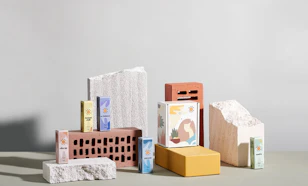
Glossy finishes and decorative extras used to be the norm, but more hospitality brands are making a shift towards packaging that feels refined, understated and purposeful. And from a guest’s point of view, simple packaging equals confidence.
When a brand doesn’t need to rely on excess to make an impression, it often comes across as more sophisticated and in tune with expectations around sustainability.
Much of today’s packaging is now slimmer and made in recyclable formats, but it still makes an impact. Think soft-touch recycled papers, debossed and embossed details, and plant-based inks that add texture and personality.
The result is packaging that looks cleaner, feels lighter, and has less of an environmental impact.
Sustainable Materials Transforming Travel Packaging
As travel brands rethink their packaging, sustainable materials have become a big opportunity for meaningful change.
Recycled and Upcycled Materials
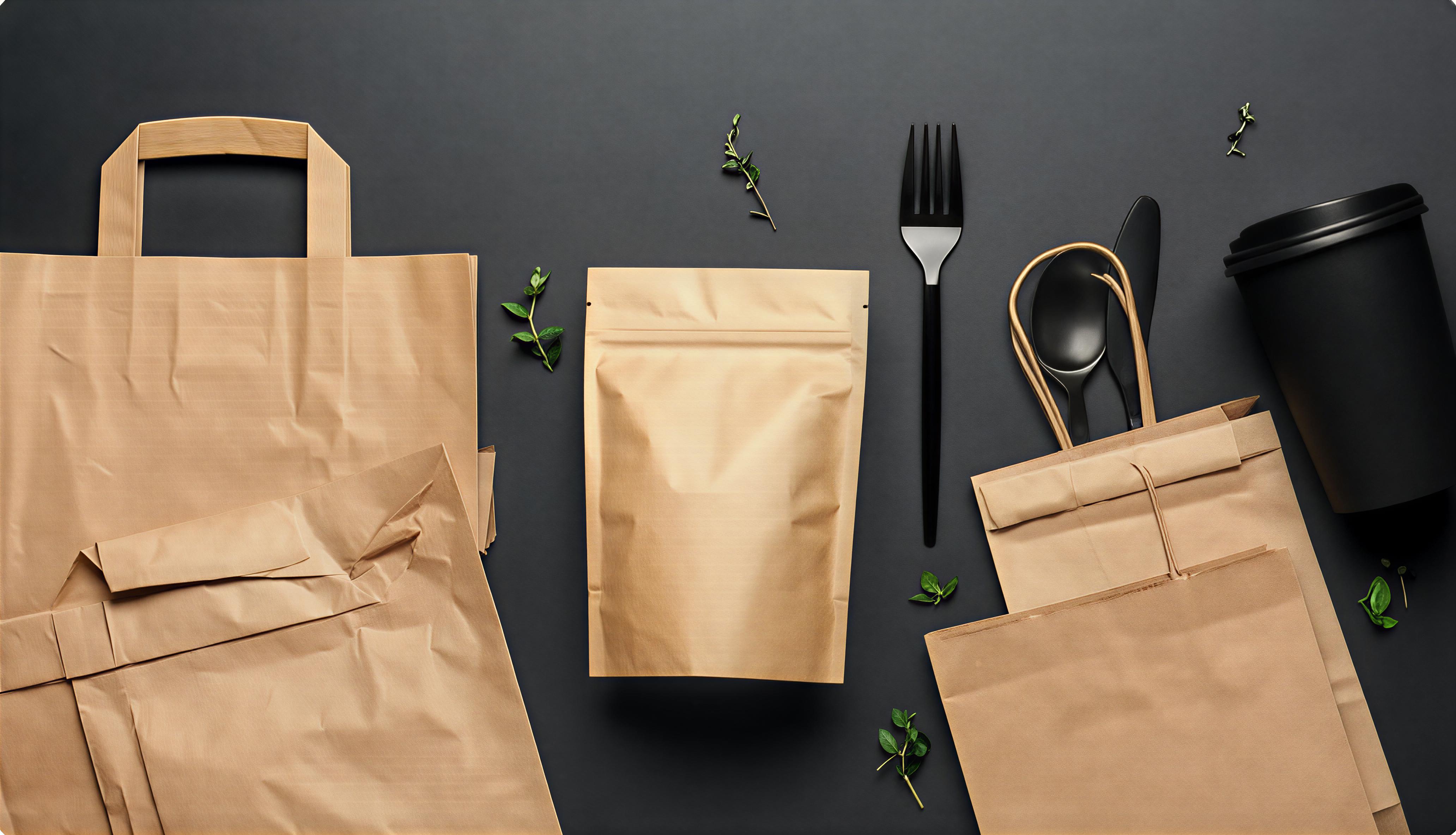
Materials like rPET, recycled cardboard, aluminum, bamboo fibers and ocean-bound plastics are now popular alternatives to virgin plastic and paper. These options are durable and versatile, but they also help reduce the demand for newly extracted raw materials.
Compostable and Bio-Based Alternatives
Options such as sugarcane bagasse, cornstarch bioplastics, seaweed-based films and mycelium materials are other lightweight, natural packaging solutions. Plus, they break down more easily at the end of their life cycle.
As an added bonus, these materials can often be shaped, molded or pressed into forms that traditional plastics often can’t, all without the long-term environmental burden.
Localizing Sustainability
One of the best ways for travel brands to shrink the environmental impact of their packaging is for them to shop closer to home.
Sourcing materials locally reduces the distance packaging has to travel before it reaches guests, which cuts down on transport emissions. It also encourages brands to tap into resources that are available naturally or already part of local waste streams.
Choosing local materials also adds another layer of meaning for guests. It’s like a simple introduction to a region’s textures, craft traditions and natural resources, and we can see this approach already taking shape in a few countries.
Some Caribbean cruises are exploring packaging made from local fibres such as banana leaf and coconut husks, as well as recycled plastics from nearby islands. Other operators in Southeast Asia are experimenting with bamboo offcuts, recycled fishing nets and sustainably harvested wood pulp.
It’s all about looking at what you have readily available to you.
Doing More With Less
Creating sustainable packaging isn’t just about swapping out materials. What you want is to design packaging that accomplishes more while using fewer resources overall.
In a sector where every gram and cubic meter matters, smart packaging design can become a strategic advantage. One clear example of this is multi-use or refillable containers.
Instead of using miniature bottles that get thrown out after one use, brands are shifting to durable dispensers that can be topped up by housekeeping. Airlines and cruise operators are also getting on board with collapsible food packaging that neatly folds flat when empty, reducing the volume of waste that’s collected during service.
Packaging that serves multiple purposes, such as a box that converts into a tray or a wrapper that doubles as a napkin, is also gaining traction.
Closing the Loop On Sustainable Packaging
Sustainable packaging is giving hospitality brands the chance to rethink how they communicate their values to guests. By prioritizing smarter materials, sourcing locally and getting intentional about design, you can offer guests an experience that feels more modern, responsible and intentionally thoughtful.