




How Custom Cosmetic Packaging Is Redefining Beauty Brand Identity in 2026
 Luna West Blog · July 14, 2026
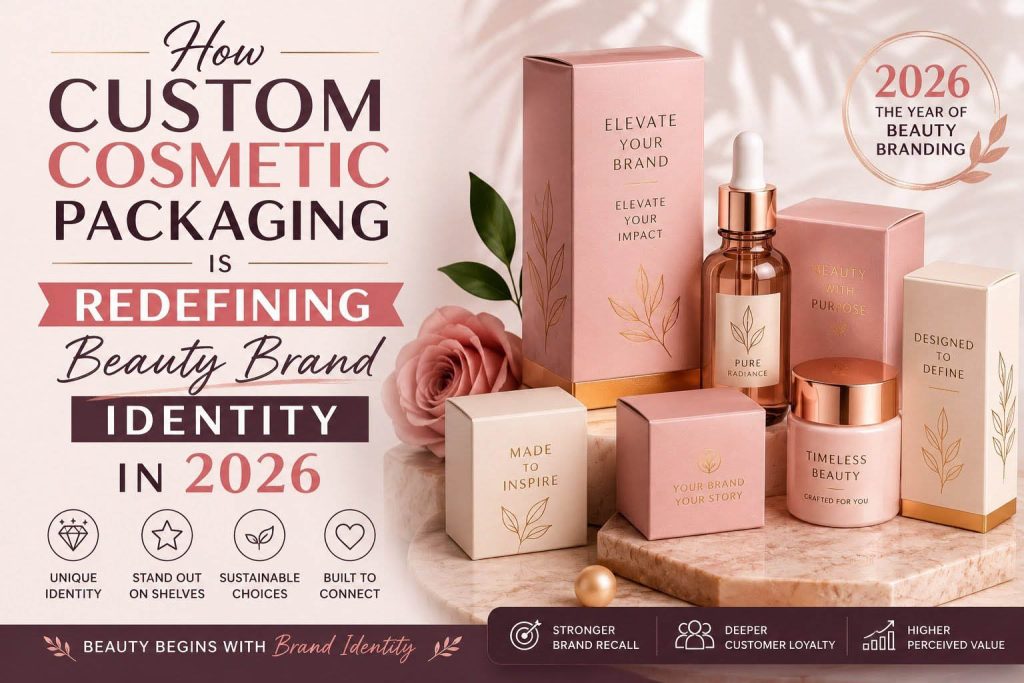
The global cosmetics market has never been more competitive or more visually saturated than it is in 2026. Thousands of brands compete for consumer attention and loyalty across every price point and distribution channel. With product formulations becoming increasingly similar across competing brands consumers are turning to packaging as a key differentiator. As a result, beauty brands can no longer rely on product quality alone to build their brand identity. In this environment, custom cosmetic packaging has emerged as the primary arena where beauty brand identity is created, communicated and sustained. Forward thinking brands working with specialist suppliers like custom cosmetic boxes manufacturers are finding that packaging investment pays dividends across brand equity, pricing power, and customer loyalty that marketing spend alone cannot deliver.
The Shift From Product to Experience
The biggest change in how beauty consumers make purchasing decisions in 2026 is the shift from product evaluation to experience evaluation. Previously, beauty consumers evaluated products based on formulation claims, ingredient lists and efficacy data. Today, beauty consumers evaluate brands based on the holistic sensory experience that they create, from digital discovery through to physical unboxing and daily use of the product.
This experiential approach to brand evaluation has elevated packaging from information carrier to the primary means of brand expression. The tactile quality of a cosmetic box communicates product quality before the formulation is experienced. The structural sophistication of an unboxing sequence creates an anticipation that primes a positive evaluation of the product itself, before the first application has been made. The visual identity established by the packaging design creates brand recognition that compounds across all products in a range and all touchpoints in a brand relationship.
Brands that identified this shift early have built packaging strategies that treat every physical quality of their cosmetic boxes as a brand communication opportunity. How the box feels, how it sounds when being opened, how much resistance the lid offers and the reveal sequence of the opening have all become deliberate design decisions in successful cosmetic packaging. The result is a multisensory brand experience that cannot be replicated by digital communications regardless of their sophistication.
Structural Innovation Driving Brand Differentiation
In 2026, structural innovation in cosmetic packaging design is a direct response to the saturation of the cosmetic packaging market with visually similar rectangular box designs. Structural innovation establishes physical brand differentiation at the level of form that precedes graphic design, creating distinctive physical identities that cannot be easily replicated by competitors without looking derivative.
Magnetic closures in cosmetic boxes have evolved from a purely functional device into a powerful and sophisticated brand signal that communicates a premium quality experience through the tactile experience of the resistance and snap of the magnets. Opening a magnetically closed cosmetic box has become a ritualistic touchpoint that beauty consumers anticipate and associate with specific brands, creating emotional engagement that drives repeat purchasing behavior. Drawer configurations that reveal products through a horizontal sliding action create an opening sequence unavailable in standard lid-and-base constructions, providing a theatrical element that photographs and films effectively for social media sharing.
Nested packaging structures that present multiple products within coordinated packaging hierarchies enable brands to create complete range experiences, where individual products feel like components of a carefully curated and deliberately designed collection rather than independent products that just happen to share the same brand name and visual identity. These collection experiences drive multi-product purchasing, and create brand worlds that beauty consumers want to inhabit and expand their relationship with over time.
Sustainability as Design Direction in 2026
The sustainability imperative in cosmetic packaging has matured from a defensive response to consumer pressure into a genuine design direction that is now producing some of the most innovative and distinctive packaging in the beauty category. Brands that have embraced sustainable materials as design constraints have discovered a rich aesthetic territory that is both genuinely distinctive and increasingly aspirational for a growing segment of beauty consumers.
Uncoated recycled paperboard with visible surface texture communicates natural authenticity in a way that heavily processed and coated packaging cannot achieve in beauty segments where clean and natural positioning has the strongest consumer resonance. Kraft-toned color palettes that work with the natural color of the substrate create warm organic aesthetics that feel both contemporary and timeless. Embossing and debossing applied to uncoated surfaces create a tactile depth that substitutes effectively for the visual complexity of elaborate multi-color printing, reducing production costs while creating a premium tactile experience.
The most sophisticated sustainable cosmetic packaging of 2026 makes environmental responsibility immediately apparent through the aesthetic of the materials used, rather than relying on text claims to communicate sustainability values. Packaging that looks and feels sustainable provides environmental credentials through its material properties rather than through printed assertions. This is more credible brand positioning with consumers who have become adept at distinguishing genuine sustainability from greenwashing.
Finishing Techniques Defining Premium Tier Positioning
The finishing techniques used on cosmetic packaging surfaces are the primary way in which brands communicate their tier positioning to consumers. Consumers make instant and largely subconscious assessments of the quality and likely price of a product based on the finishing quality of its packaging. Smart brands deliberately calibrate this assessment through their choice of finishing materials and processes.
Premium finishing techniques transforming cosmetic packaging in 2026 include:
Soft-touch lamination which creates velvety matte surfaces that signal luxury through the tactile quality of the material before the visual design has even been registered
Foil stamping in brand-aligned metallic tones adding light-interactive elements to packaging design that create a dynamic visual quality that conventional printing cannot replicate
Spot UV application creating a gloss contrast against a matte surface finish that focuses attention on specific brand elements through a visual and tactile differentiation
Embossing and debossing which adds a dimensional quality to brand marks and design elements, creating tactile brand signatures that cannot be replicated by flat printed packaging
Edge painting on rigid box formats adding an element of color to the edges of the box visible only when the box is opened, creating a moment of discovery that rewards closer examination
Building Brand Equity Through Packaging Consistency
The most commercially valuable cosmetic packaging investments in 2026 are those that establish visual and material consistency across product ranges and over time, such that packaging becomes a recognizable brand asset in its own right, independent of logo placement. This recognition level of consistency compounds into genuine brand equity that lowers customer acquisition costs, supports premium pricing and creates switching costs that protect customer relationships against competitive pressure.
Brands that work with comprehensive packaging partners like ZEE Pack are able to achieve this level of consistency through long-term supplier relationships that maintain design and material standards across multiple product launches, seasonal variations and range extensions. It is this consistency across all products and all markets over time that transforms packaging from a series of individual product decisions into a coherent brand asset.